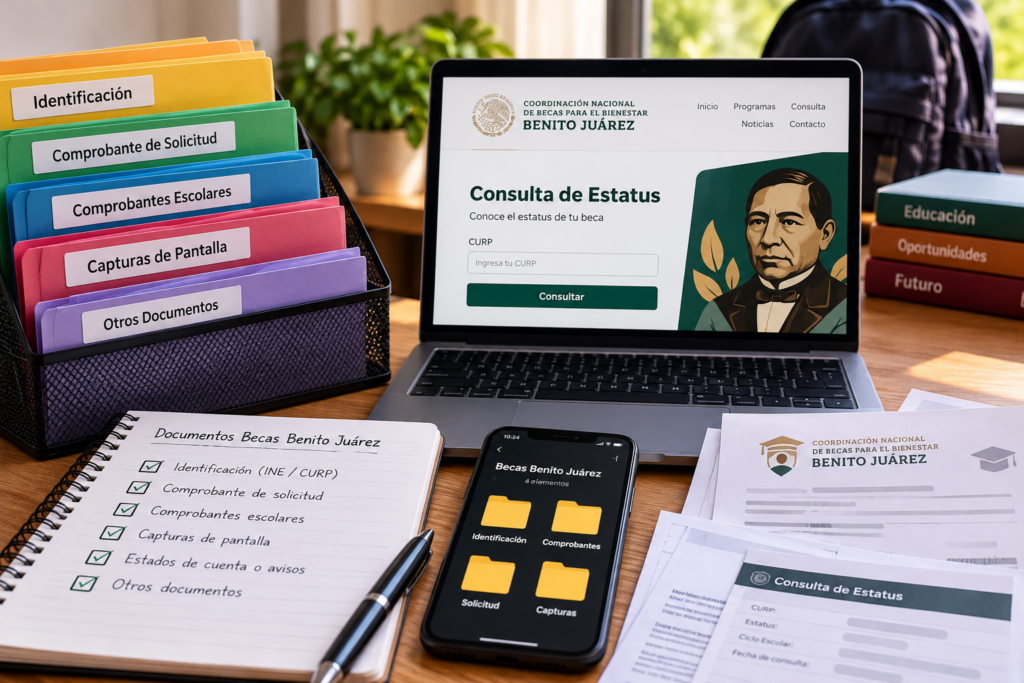
Checking the status of a scholarship can be an important moment for students and their families. After completing an application, submitting the required information, or gathering supporting documents, the next step is staying informed and making sure everything is ready when it is time to review the application. Although the process may seem straightforward, losing a receipt, saving an unclear document photo, or confusing different versions of a file can create unnecessary stress and delays.
Along with understanding how to check educational assistance information, it helps to know how to organize the digital files associated with these procedures. Tools such as a JPG to PNG converter can be useful when adapting images for certain digital projects or documents. However, always check the specific requirements of an official application before changing a file’s format.
Why Is It Important to Keep Scholarship Documents Organized?
Scholarship applications and follow-up procedures may involve several types of information, including personal details, identification documents, school records, application receipts, and status updates. Keeping these files organized makes it easier to find the right information when needed and reduces the risk of using an outdated or incorrect document.
Imagine a parent who needs to review their child’s scholarship information before contacting a support service. Some documents are saved in the phone’s photo gallery, others were sent through WhatsApp, and a few are stored on a computer. Finding the correct application receipt can quickly become frustrating.
A simple filing system can prevent this problem.
Create a dedicated folder for scholarship-related documents. Within it, consider creating separate folders for identification, school records, application receipts, and screenshots of previous status checks.
This structure makes it easier to locate important information without searching through hundreds of unrelated files.
How to Check Benito Juárez Scholarship Status
Before checking an application, identify the relevant scholarship program and use official information channels.
The Benito Juárez scholarship programs support eligible students under specific requirements that may differ according to educational level and program guidelines. Procedures, eligibility criteria, and available consultation methods can change, so it is important to verify current information through official sources.
Here are some practical steps to follow:
- Identify the relevant program. Determine whether your inquiry concerns basic education, upper-secondary education, or higher education.
- Prepare the necessary information. Keep any details required to identify your application or registration readily available.
- Use official channels. Access the appropriate government websites and avoid entering personal information on websites whose authenticity you have not verified.
- Read the results carefully. Review any notices, instructions, or messages displayed during the consultation.
- Save important information. If the system offers an official receipt or downloadable document, keep a copy for your records.
Remember that the meaning of a status depends on the system and procedure involved. Do not assume that an application has been approved, rejected, or scheduled for payment without confirming what the official information actually says.
Keeping your scholarship documents organized is especially helpful when reviewing application updates or checking payment information. Before starting, make sure you have the correct CURP and any relevant application receipts ready. For a detailed explanation of the consultation process, visit our Benito Juárez Scholarship Status Guide, which explains how to use the status checker, understand different results, and review important notifications.
How to Save Receipts and Screenshots
Screenshots can be useful for documenting a consultation, saving a notice, or keeping a record of a message that appears temporarily on a website.
However, a screenshot does not necessarily replace an official downloadable receipt. If the system provides a formal document, save that original file and use screenshots as additional references when appropriate.
To keep your records organized, use descriptive filenames such as:
- scholarship-status-october.png
- application-receipt.pdf
- school-documents.pdf
- system-notice-2026.png
These names make it easier to identify each file without opening it.
Adding the date to filenames can also help when checking your application regularly. You can distinguish an older screenshot from a more recent one and avoid confusion when reviewing your records.
If you share documents with a family member who helps you manage the application, make sure you send the correct version and use secure communication methods.
Understanding JPG and PNG Image Formats
Photographs and screenshots can be saved in different file formats. JPG and PNG are two common options, but they have different characteristics.
JPG for photographs
JPG is widely used for photographs taken with smartphones and digital cameras. Its main advantage is that it generally produces relatively small files, making images easier to share and store.
It can be suitable for keeping reference photographs of documents, provided the text is clear and the image is readable.
However, a blurry photograph, a cropped document, or an image with glare will remain difficult to read even if its format is changed.
PNG for screenshots and graphics
PNG is often useful for screenshots, diagrams, and images containing text or clearly defined lines. It also supports transparent backgrounds, which can be valuable for certain digital design projects.
If you need to change an image format for personal projects or file organization, an online conversion tool can help. Before uploading any document associated with a scholarship application, however, check whether the official process specifies an accepted format, maximum file size, or particular submission method.
One important tip: converting a JPG image to PNG does not automatically improve its sharpness or restore information lost when a poor-quality photograph was taken. For official documents, authenticity, completeness, and readability matter most.
How to Protect Your Personal Information During Scholarship Procedures
Documents associated with a scholarship may contain full names, home addresses, identification numbers, and other private information. Organizing these files properly also means protecting them from unauthorized access.
A few straightforward precautions can make a difference.
Use strong passwords. Protect your phone, computer, and cloud storage accounts with passwords that are difficult to guess.
Avoid sharing documents unnecessarily. Before sending a photograph or file, confirm who will receive it and why the information is needed.
Check website addresses carefully. Do not rely solely on a website’s appearance. Verify that it belongs to the appropriate official institution before entering personal details.
Be cautious of alarming messages. If you receive a message promising to release scholarship funds in exchange for an urgent payment or requesting passwords and security codes, verify the claim through official channels.
Keep secure backups. Store important documents in a safe location so you do not lose them if your phone is damaged or stops working.
It is also worth remembering that not every online tool is appropriate for processing confidential documents. Before uploading an identification document or application receipt to an external service, review its privacy practices and consider whether uploading the file is necessary at all.
What to Do If You Cannot Find Information About Your Application
If you check your scholarship status and cannot find sufficient information, stay calm and review the details before repeatedly submitting the same inquiry.
First, make sure you are using the correct channel for your scholarship program and that the information you entered is accurate. Then check whether there are notices about processing periods, consultation dates, or additional steps you may need to complete.
If your questions remain unanswered, contact the appropriate official support service for guidance. Keep any application reference number, receipt, or confirmation provided by the system.
Avoid making decisions based entirely on social media posts, screenshots shared by strangers, or comments from people whose circumstances may differ from yours. Dates, requirements, and procedures can vary depending on the program and individual application.
Taking a careful, organized approach will help you distinguish verified information from speculation.
Conclusion
Checking Benito Juárez scholarship status becomes easier when your documents are organized, you know where to verify information, and you take steps to protect your personal data. Keeping readable files, saving receipts, and distinguishing official documents from simple screenshots can save time and prevent unnecessary confusion.
The most important habits are straightforward: use official information sources, read every instruction carefully, and keep the documents you may need readily available. With a little preparation, you can manage scholarship-related procedures more confidently, securely, and efficiently.